

Is Perfume Halal or Haram? A Complete Islamic Guide (2026)

Is Perfume Halal or Haram? A Complete Islamic Guide (2026)
Last Updated: January 2026 | Reading Time: 8 minutes
Muslims around the world often ask: Is wearing perfume halal or haram? What types of fragrances are permissible in Islam? Can women and children wear perfume? These are important questions that deserve thoughtful, well-researched answers based on Islamic teachings.
This comprehensive guide explores the Islamic perspective on perfumes, drawing from the Quran, authentic Hadiths, and scholarly interpretations to provide clarity on this important topic.
Quick Answer: Perfumes are NOT haram. In fact, Prophet Muhammad ﷺ loved fragrances and said they are among his favorite things in this world. However, the ingredients, context of use, and intention matter.
Understanding Halal and Haram
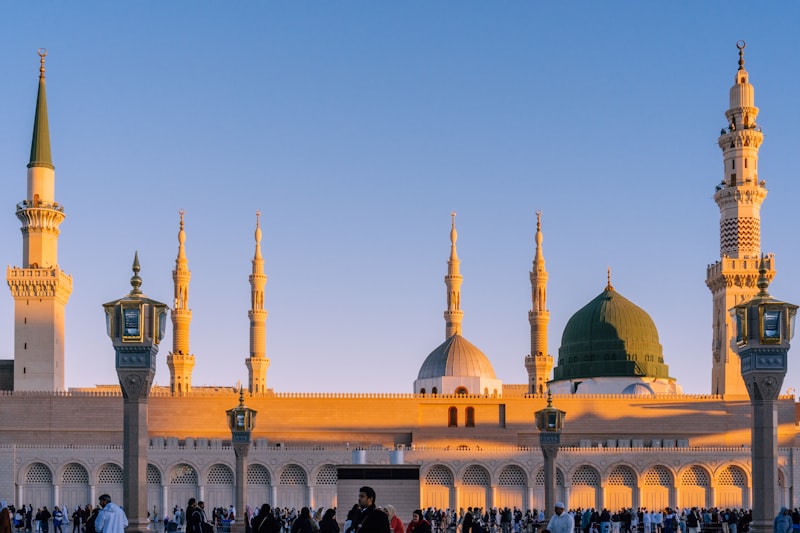
Before discussing perfumes specifically, it's essential to understand how Islam categorizes actions as halal or haram.
Halal (حلال) refers to what is permissible and lawful under Islamic Shariah, while Haram (حرام) denotes what is strictly forbidden.
The Sources of Islamic Law
The distinction between halal and haram comes from:
- The Quran - The direct word of Allah (SWT)
- The Sunnah - The sayings and actions of Prophet Muhammad ﷺ
- Scholarly Consensus (Ijma) - Agreement among Islamic scholars
- Analogical Reasoning (Qiyas) - Logical deductions based on established principles
Important Principle: If something is declared haram, it must be explicitly stated by Allah (SWT) in the Quran or by Prophet Muhammad ﷺ in authentic Hadiths. There is no evidence anywhere declaring perfume as haram.
Learn more about Islamic perspectives on beauty and personal care.
Islamic Perspective on Perfumes
The use of perfume in Islam is generally considered halal and encouraged. Multiple authentic Hadiths highlight Prophet Muhammad's ﷺ fondness for pleasant fragrances.
What Islam Says About Fragrances
1. Perfume is Among the Prophet's Favorite Things
The Prophet ﷺ said:
"Made beloved to me from your world are women, perfume, and the coolness of my eyes is in prayer (salah)."
This Hadith clearly shows that perfumes are not just permissible but beloved in Islam.
2. Using Perfume Before Prayer
Prophet Muhammad ﷺ encouraged using good fragrances, especially before attending congregational prayers:
"Whoever has eaten garlic or onions should stay away from us, or stay away from our mosque, and stay in his house."
This indicates the importance of pleasant fragrances in communal settings.
3. Perfume as Part of Personal Hygiene
Islam places great emphasis on cleanliness and personal grooming, and perfume is considered part of maintaining good hygiene and appearance.
The Prophet's Love for Fragrances
Prophet Muhammad ﷺ had a well-documented appreciation for perfumes:
- He never refused perfume when offered to him
- He regularly applied musk and other fragrances
- He encouraged his companions to maintain good personal fragrance
- He considered pleasant scent a sign of cleanliness and dignity
The Prophet ﷺ said:
"The best of perfumes is musk."
This demonstrates not only the permissibility but the encouragement of using quality fragrances.
Alcohol in Perfumes: The Scholarly Debate
The main debate around halal perfumes centers on alcohol content. Let's examine the scholarly positions:
Types of Alcohol
1. Intoxicating Alcohol (Khamr)
- Derived from dates, grapes, or fermented grains
- Intended for consumption as an intoxicant
- Clearly haram to consume
2. Synthetic/Denatured Alcohol
- Chemically produced, not from fermentation
- Cannot be consumed as a beverage
- Used as a solvent in perfumes
Scholarly Positions
Majority Opinion (Permissible)
Most contemporary scholars hold that:
✅ Perfumes with synthetic alcohol are halal because:
- The alcohol is not derived from khamr (wine/intoxicants)
- It's not consumed but applied externally
- The prohibition specifically targets intoxicating consumption
- Modern alcohol in perfumes serves as a carrier, not an intoxicant
Supporting Evidence:
During the COVID-19 pandemic, scholars issued a fatwa stating that using alcoholic hand sanitizers is permissible since the alcohol is not being consumed for intoxication. The same ruling applies to perfumes.
Stricter Interpretation (Cautious Approach)
Some scholars adopt a more cautious stance:
- Prefer perfumes with no alcohol at all
- Recommend oil-based or alcohol-free alternatives
- Cite the principle of avoiding doubtful matters
Practical Guidance
For Muslims seeking clarity:
- Research the source - Check if the alcohol is synthetic or fermented
- Consider intention - The alcohol is not being used for intoxication
- Follow your conscience - If you have doubts, choose alcohol-free options
- Consult local scholars - Seek guidance from knowledgeable Islamic authorities
Explore perfume oil alternatives that contain no alcohol.
Halal Perfume Recommendations
Here are excellent halal perfume options, including vegan and alcohol-free choices:
1. 6TEEN Vibe EDP - Vegan & Halal Certified

Why It's Halal:
- ✅ Vegan formulation with clean ingredients
- ✅ Cruelty-free production
- ✅ Transparent ingredient sourcing
- ✅ Created by Gen Z for modern Muslims
Perfect For: Young Muslims seeking contemporary, ethical fragrances
Shop 6TEEN Vibe | Discover UAE Fragrance Brands
2. 6TEEN YOLO EDP - Modern Halal Fragrance for Men

Why It's Halal:
- ✅ Vegan and ethical production
- ✅ No animal-derived ingredients
- ✅ Skin-friendly formulation
- ✅ Made in UAE with halal standards
Perfect For: Muslim men wanting confident, halal-certified scents
3. Traditional Oud Perfumes
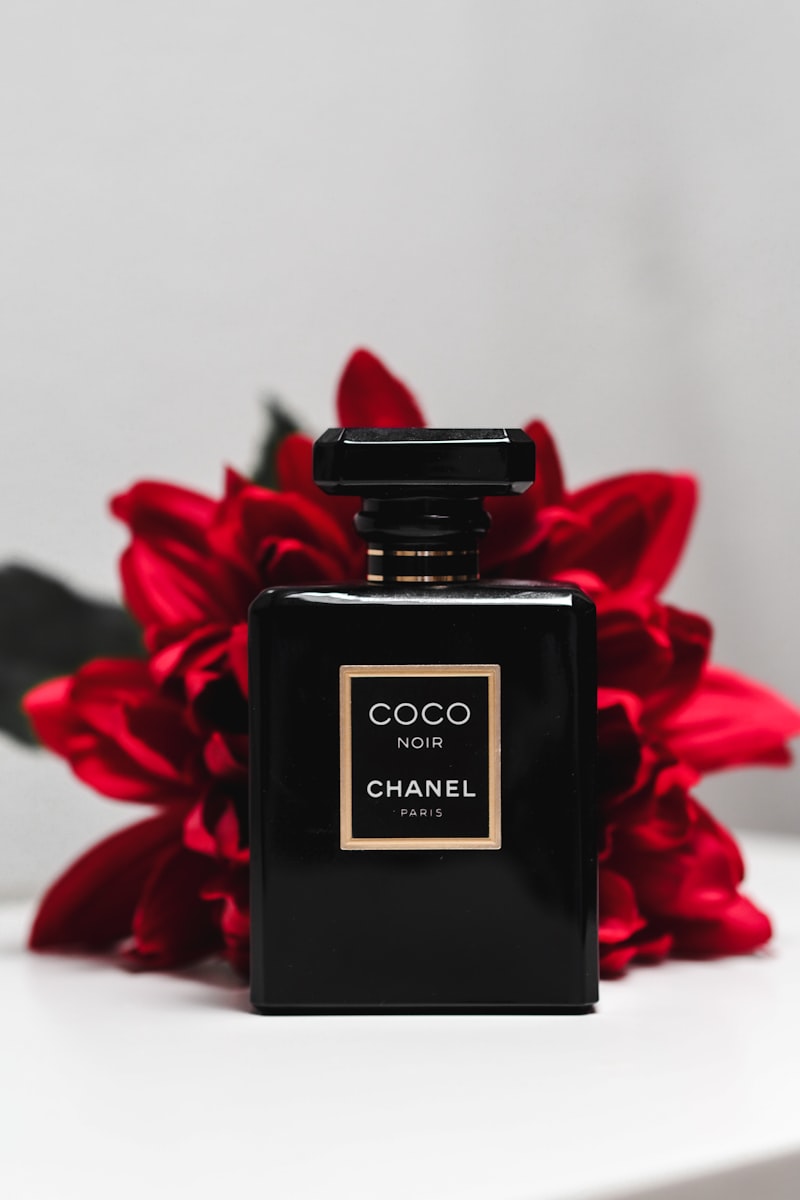
Why They're Halal:
- ✅ Natural oud oil base
- ✅ Alcohol-free formulation
- ✅ Traditional Islamic heritage
- ✅ No synthetic additives
Oud (agarwood) has been used in the Middle East for centuries and is completely halal.
Explore Best Oud Perfumes
4. Oil-Based Attar Perfumes
Why They're Halal:
- ✅ No alcohol content
- ✅ Natural essential oils
- ✅ Long-lasting on skin
- ✅ Traditional Islamic choice
Attars are concentrated perfume oils that have been used in Islamic cultures for generations.
Learn About Perfume Oils
5. Musk-Based Fragrances
Why They're Halal:
- ✅ Recommended by Prophet Muhammad ﷺ
- ✅ Available in synthetic (vegan) versions
- ✅ Pleasant, modest scent
- ✅ Suitable for daily wear
The Prophet ﷺ specifically mentioned musk as the best perfume.
Guidelines for Wearing Perfume in Islam

While perfume itself is halal, Islam provides guidelines on how and when to wear it:
For Women
✅ Permissible:
- Wearing perfume at home
- Around mahram (close male relatives)
- In women-only gatherings
- Light fragrance that doesn't attract attention in public
❌ Discouraged:
- Strong perfume in public that attracts attention
- Wearing perfume to attract non-mahram men
Hadith Evidence:
"Any woman who puts on perfume and passes by people so that they can smell her fragrance is a zaaniyah (adulteress)."
This doesn't mean perfume is haram for women, but rather that modesty should be maintained in public.
For Men
✅ Encouraged:
- Wearing perfume for daily activities
- Applying fragrance before going to the mosque
- Using pleasant scents in professional settings
- Maintaining good personal hygiene with fragrance
❌ Prohibited:
- None (men have fewer restrictions on perfume use)
During Special Times
Ramadan:
- ✅ Wearing perfume while fasting is permissible
- ✅ Smelling perfume does not break your fast
- ❌ Avoid overpowering scents that distract others
Ihram (Hajj/Umrah):
- ❌ Applying perfume after entering Ihram is prohibited
- ✅ You may apply perfume before entering the state of Ihram
- ❌ Scented soaps and products should be avoided during Ihram
Friday Prayer (Jummah):
- ✅ Strongly encouraged for men to wear perfume
- ✅ Shows respect for the congregation and the mosque
Scholarly References and Interpretations {#scholarly-references}
Contemporary Fatwas
1. IslamQA Fatwa on Hand Sanitizers (Applicable to Perfumes)
The scholarly committee stated:
"There is nothing wrong with using alcohol-based sanitizers... the alcohol is not being consumed for purposes of intoxication."
The same principle applies to perfumes containing synthetic alcohol.
2. European Council for Fatwa and Research
States that synthetic alcohol used as a solvent in products is permissible as it's not khamr (intoxicating wine).
3. Majma' al-Fiqh al-Islami (Islamic Fiqh Academy)
Distinguishes between:
- Haram: Alcohol produced for intoxication
- Permissible: Synthetic alcohols used in manufacturing
Classical Scholars
Imam al-Nawawi stated that alcohol touching the skin does not make one impure, though consuming it is haram.
Ibn Taymiyyah emphasized that the prohibition is specifically on consuming intoxicants, not on external applications.
Frequently Asked Questions
Is it haram to wear perfume during Ramadan fasting?
No, wearing perfume while fasting is completely permissible. The fast is only broken by intentional eating, drinking, or intimate relations. Pleasant fragrances do not invalidate your fast.
Will my fast break if I smell perfume?
No, smelling perfume even intentionally does not break your fast. The fast is only broken by substances entering the body through the mouth, nose (deliberately), or other orifices.
Is it haram to wear perfume with alcohol?
This depends on the type of alcohol:
- Synthetic/denatured alcohol: Most scholars say it's halal
- Fermented alcohol from grapes/dates: More cautious scholars advise avoiding it
- If in doubt: Choose alcohol-free or oil-based alternatives
Is it haram to spray perfume?
No, the method of application (spray vs. roll-on vs. dabbing) doesn't affect permissibility. What matters is the ingredients and context of use.
Is it prohibited to sell perfume in the UAE during Ramadan?
No, there is no prohibition on selling or buying perfumes during Ramadan in the UAE or anywhere else. Perfume shops remain open, though sellers should be respectful of those fasting.
Can men wear perfume in Islam?
Yes, not only can men wear perfume, but it's strongly encouraged, especially when:
- Attending Friday prayers (Jummah)
- Going to the mosque
- Meeting people
- Daily activities
Check out best perfumes for men.
Can women wear perfume in Islam?
Yes, women can wear perfume in Islam with certain guidelines:
- ✅ At home with family
- ✅ In women-only gatherings
- ✅ Light fragrance in public that doesn't attract attention
- ❌ Strong perfume designed to attract non-mahram men in public
Is it permissible to use perfumes during Ihram?
No, during the state of Ihram (for Hajj or Umrah), wearing perfume is prohibited. This includes:
- ❌ Perfumes, colognes, or scented products
- ❌ Scented soaps and shampoos
- ❌ Deodorants with fragrance
However, you may apply perfume before entering Ihram.
Are vegan perfumes automatically halal?
Generally yes, but verify:
- ✅ No animal-derived ingredients
- ✅ No intoxicating substances
- ✅ Ethical production methods
Brands like 6TEEN offer vegan, halal-certified options perfect for conscious Muslims.
What about bakhoor and incense?
Completely halal and strongly recommended in Islamic tradition. Bakhoor (fragrant wood chips) has been used in Muslim households for centuries.
Learn About Bakhoor
Can I pray while wearing perfume?
Absolutely yes! In fact, it's encouraged to wear pleasant fragrance for prayer, especially when attending the mosque.
Conclusion: Perfumes Are Halal in Islam
After examining the Quran, authentic Hadiths, and scholarly opinions, we can conclude:
✅ Perfumes are halal - Prophet Muhammad ﷺ loved fragrances
✅ Alcohol debate - Most scholars permit synthetic alcohol in perfumes
✅ Context matters - Apply perfumes with modesty and good intention
✅ Many halal options - From traditional oud to modern vegan brands like 6TEEN
✅ Guidelines exist - Follow Islamic etiquette for when and how to wear perfume
Key Takeaways
- No explicit prohibition exists against perfumes in Islam
- Prophet Muhammad ﷺ encouraged the use of pleasant fragrances
- Alcohol in perfumes is a debated issue, but most scholars permit synthetic alcohol
- Modesty and intention matter more than the perfume itself
- Many halal alternatives are available for those who prefer certainty
Making Informed Choices
As a Muslim consumer, you have several options:
If you're certain synthetic alcohol is permissible:
- Choose from mainstream designer fragrances
- Focus on quality and longevity
- Apply with proper Islamic etiquette
If you prefer absolute certainty:
- Select alcohol-free oil-based attars
- Choose traditional oud perfumes
- Opt for vegan brands like 6TEEN
- Use natural essential oil blends
Most importantly: Remember that the determination of halal and haram comes from Allah (SWT) through the Quran and Prophet Muhammad ﷺ through authentic Hadiths. When in doubt, consult knowledgeable scholars and follow your conscience.
Shop Halal-Conscious Perfumes
Discover vegan, halal-certified fragrances designed for conscious Gen Z Muslims.
Disclaimer: This article provides general information based on Islamic sources and scholarly opinions. For specific religious guidance, please consult qualified Islamic scholars or your local imam. Individual interpretations may vary based on different schools of Islamic thought.
Did you find this guide helpful? Share it with fellow Muslims seeking clarity on halal perfumes. For more fragrance guides and Islamic beauty tips, explore our blog.